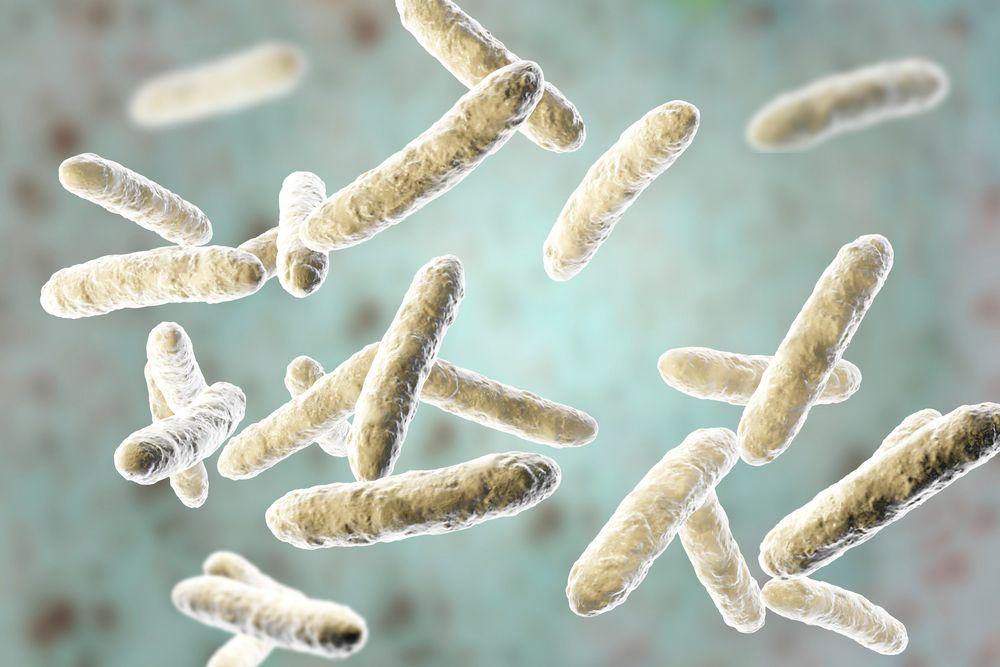
What are the roles of the microbiota?
The gut microbiota plays an essential role in digestion and in maintaining a functional immune system.It protects against pathogens, helps regulate stress, and contributes to the synthesis of vitamins and hormones.It also plays a role in fat storage regulation.
How to enrich your microbiota?
Probiotics are living non-pathogenic microorganisms (bacteria and yeasts), when ingested in sufficient quantity, exert a positive influence on the health. They are found in fermented food (kombucha, kéfir, yaourt, miso).
Prebiotics are found in the form of food, food supplement or ingredient such as fiber, which are not digestible by the body.
Their ingestion improves the functioning of the intestinal microbiota by participating in the multiplication and activity of bacteria already present. It is advisable to consume 25 grams per day, which is found in fruits, vegetables, nuts and legumes.
Focus fibres
Insoluble fiber (cellulose) present un grain, vegetables and fruit and complet have a low fermentable caacity but they contribute to the increase of transit and seals.
Soluble fibers (pectin, guar gum, beta glucan) found in oat bran, dairy products and fruit and vegetables have a high fermentation capacity leading to the production of beneficial compounds such as chain fatty acids short contributing to the body’s energy metabolism.
Increasing scientific evidence highlights the link between a healthy diet, a balanced gut microbiota, and overall well-being. The saying, “Let your food be your only medicine,” truly comes to life in this context.