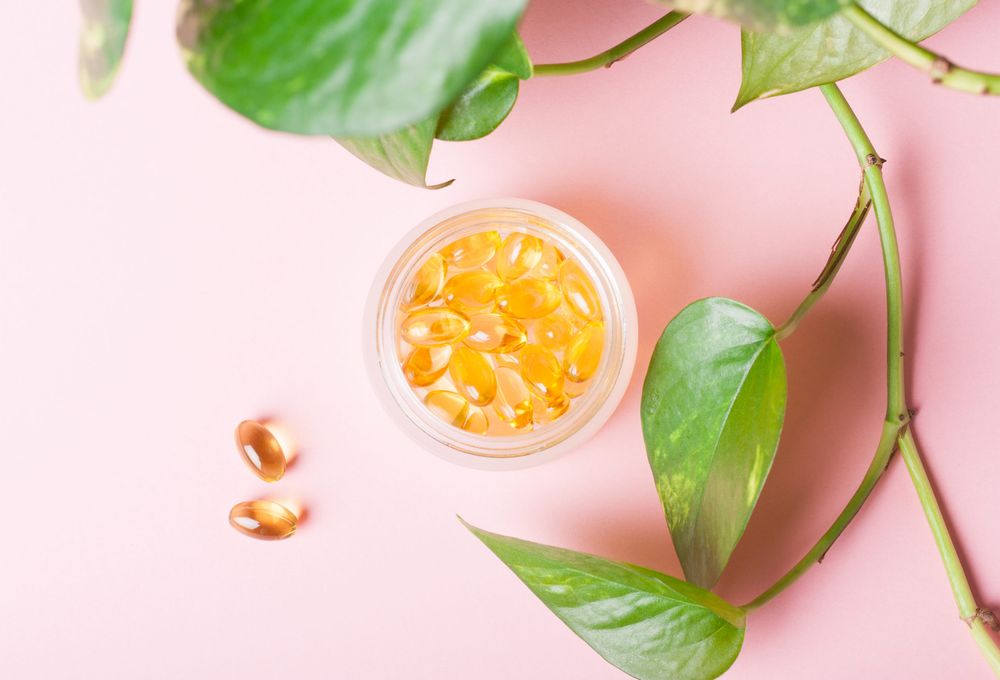
Softgels: a dosage form suitable for food supplements
Softgels, also known as soft capsules, are a dosage form particularly well suited to food supplements containing oils, liquids or certain fat-soluble active ingredients. Thanks to their soft, hermetically sealed shell, they can encapsulate different formulations in a compact and convenient format. They therefore offer an alternative to tablets and traditional hard capsules.
What is a softgel?
A softgel is a single-piece capsule with a soft shell, containing a liquid, oily formulation, suspension or emulsion. The shell is traditionally made from gelatin, water and a plasticizer. The encapsulated formulation can contain different types of ingredients, depending on their properties and compatibility with the format. This dosage form is particularly interesting for ingredients that are not well suited to formulation as a powder or tablet.
What ingredients can be incorporated into a softgel?
Softgels are particularly well suited to oil-based formulations. They can be used for:
- omega-3s, such as DHA and EPA;
- vegetable oils, such as evening primrose, borage or flaxseed oil;
- certain fat-soluble vitamins, particularly vitamins D and E;
- certain nutritional oils;
- certain plant extracts and active ingredients that can be incorporated into an oil-based phase.
Feasibility nevertheless depends on the characteristics of each ingredient, its dosage, stability and compatibility with the formulation.
What are the advantages of softgels?
One of the main advantages of softgels is their ability to encapsulate liquid or oil-based formulations in a solid and compact format. Their soft, sealed shell also limits direct contact between the formulation and its external environment. Depending on the formulation and packaging, this characteristic can help protect certain ingredients that are sensitive to moisture, light or oxidation. Softgels also provide a different dosage form from tablets, powders and hard capsules, making them a complementary option for food supplement ranges.
Softgel or hard capsule: what is the difference?
The main difference lies in their structure and the type of formulation they can contain. A softgel has a single-piece, flexible shell and is particularly suitable for oils, liquids, suspensions and emulsions. Its smooth surface and flexible shell can also provide a softer and more comfortable swallowing experience compared with a hard capsule. A hard capsule generally consists of two pieces and is mainly intended for dry formulations, such as powders or granules. The choice between these two dosage forms therefore primarily depends on the physicochemical characteristics of the ingredients, the desired formulation and the intended user experience.
How are softgels manufactured?
Softgel manufacturing involves preparing the shell and the formulation it contains separately. The internal formulation is prepared according to the characteristics of the selected ingredients. It is then encapsulated within the shell, which is formed around the contents and sealed. The capsules then undergo drying and stabilization steps before being packaged. Controlling the manufacturing parameters is essential to obtain softgels with the expected characteristics and stability.
Softgels for food supplement projects
Softgels can be considered for a range of food supplement projects, particularly when the formulation contains oils or active ingredients suitable for an oil-based phase. At Irati International, this dosage form is one of the solutions available for food supplement manufacturing projects. The formulation, stability and packaging are assessed according to the characteristics of each product in order to determine the most suitable solution. Softgels therefore provide a complementary dosage form to tablets, hard capsules, powders and gummies, allowing formulations to be developed around different types of active ingredients.